Pet Surgery at Prairieville Animal Hospital: Recovery Tips
Surgery is a big moment for most families and their pets. At Prairieville Animal Hospital, the goal after any procedure is to return to normal life as quickly and safely as possible. That means clear guidance, careful monitoring, and a plan that fits the rhythm of your home. The recovery phase begins the moment anesthesia wears off and continues for days to weeks, depending on the procedure. This article draws on years of daily practice, hands-on care, and conversations with pet guardians who learned to read small changes that mattered.
The path from the clinic to the kitchen table feels simple in theory but becomes a nuanced routine in practice. Every patient has a different baseline: a lively terrier who bounces back from anesthesia in a few hours, a senior cat who needs gentler handling, a shy terrier who becomes overwhelmed in new spaces. The team at Prairieville Animal Hospital approaches recovery with that diversity in mind. We aim to minimize discomfort, protect sutures or incisions, manage medication thoughtfully, and empower you to interpret your pet’s behavior without unnecessary alarm.
In the days after surgery, your home becomes the final stage of care. The environment, the pace of daily life, even the weather can influence how smoothly recovery unfolds. That is why practical, repeatable steps matter. There are choices to be made about activity, feeding, hygiene, and when to contact the clinic. The following guidance reflects what we have learned through hundreds of procedures each year, tempered by the realities you will face at home.
Evidence on how long healing takes is not universal. Spay and neuter procedures in dogs and cats typically involve a two-week window for soft tissue recovery, with sutures dissolving or being removed on a schedule decided by the surgeon. Dental work may demand a gentler approach to chewing and bite strength for several days. Orthopedic procedures demand more patience, with weight-bearing progress measured in weeks rather than days. Even routine procedures, like lump removals or abdominal explorations, can present unexpected twists. The bottom line: expect a basic arc of rest, gradual return to activity, and close attention to changes in appetite, energy, or incision site.
A lot of recovery comes down to one thing you can control: the home environment. The chance of swelling or irritation around the incision, the risk of licking or chewing at sutures, and the pace at which your pet resumes normal behaviors all hinge on what you do or don’t do in the first 24 to 72 hours. The experience of veterinarians who perform daily post-op checks is that proactive, consistent routines beat sporadic attention every time. Let us walk you through the practical framework that many Prairieville families find works well.

Postoperative timing and expectations
When your pet leaves the clinic after surgery, they are often groggy from anesthesia and not fully aware of their surroundings. The first 12 to 24 hours are critical for safety and comfort. A quiet, dim space helps reduce stress and promotes sleep, which in turn supports healing. You will likely notice a period of reduced appetite immediately after surgery. Appetite usually returns within 24 hours, but if it does not, it is worth noting and discussing with the veterinary team. Emergent concerns in the first day include persistent vomiting, disorientation, severe lethargy beyond the expected anesthesia effect, or signs of pain that do not ease with the prescribed analgesics.
Pain management is essential, not optional. In many cases, medications such as nonsteroidal anti-inflammatory drugs or acetaminophen equivalents for pets, along with occasional opioid rescue if prescribed, help keep your animal comfortable and able to rest. The key is precise dosing and timing. Do not alter dosages without contacting our team. If you notice repeated signs of pain beyond what is expected, reach out rather than waiting for the next scheduled check-in. Pain that is unaddressed can slow recovery by increasing stress responses that hinder healing.
A typical recovery arc looks like this in the home environment: the first 24 hours emphasize wakefulness in short intervals, controlled activity, and strict incision protection. By day two to day four, most pets begin to test boundaries a little more. They may want to walk around a bit more, explore, or attempt light play. This is when you need to maintain limits to prevent overexertion and protect the surgical site. By the end of the first week, many pets return to regular routines if the incision is healing well and there are no complications. For procedures that involve bone or soft tissue repairs, recovery can extend into two to six weeks or longer, with staged activity goals.
Your role as a caregiver is to observe, not to overreact. Small changes in energy level or appetite can be normal during the early days. A little stiffness, a tendency to lie down more than usual, or a reluctance to jump onto furniture may simply reflect the body adjusting to the anesthesia and the surgical procedure. On the other hand, signs of trouble—uncontrolled bleeding, swelling that grows rather than subsides, foul discharge from the incision, repeated vomiting, or a fever above a certain threshold—should prompt a call to the clinic. Our team will guide you on whether a visit is necessary or if a telemedicine check is appropriate.
The incision itself deserves particular attention. In general, you should expect some redness, minor swelling, and a small amount of drainage during the first day or two. These can be normal if they do not worsen and if your pet remains comfortable. If the incision looks like it is tearing, or if you notice a large amount of redness spreading away from the incision line, this requires prompt professional assessment. Always monitor for any widening gaps, reopening, or signs of dehiscence. If the area feels warm to the touch or you detect a suspicious odor, contact Prairieville Animal Hospital right away.
Medication with a plan
A well-managed medication routine is the spine of effective recovery. Most patients leave the clinic with a short course of analgesics to manage pain and, in some instances, antibiotics to prevent infection. The exact plan varies by procedure, but there are common threads to vet near prairieville la ensure safety and efficacy.
First, set up a simple medication schedule. Many guardians find it helpful to place medications in clearly labeled compartments or use a pill organizer for the days and times. If you share the house with children or other pets, double-check storage to avoid accidental ingestion by the wrong animal. Always administer medications with a small amount of food if the instructions allow. Some analgesics cannot be given on an empty stomach, and giving them with a light meal can reduce stomach upset.
Second, be mindful of interactions. If your pet is also receiving topical treatments, ensure there is no interference with bandages or incisions. If you have other pets in the home, create a separate space so a curious dog or a cat cannot disturb a recovering patient. It is not unusual for a patient to drink more water and less food immediately after surgery. If your pet refuses to eat for more than 24 hours, or if you notice repeated vomiting, call the clinic.
Third, anticipate a tapering plan. After the first couple of days, many pets require a reduction in pain control as the surgical site settles. Do not assume the pain is gone just because your pet seems more tolerant or comfortable. Follow the vet’s instructions about reducing or stopping medications to avoid withdrawal or rebound pain.
Lastly, if there is any doubt about a medication, contact Prairieville Animal Hospital before making changes. Our clinicians know the exact procedure your pet underwent and can tailor the plan to their needs. The aim is steady, gentle relief that supports sleep and appetite rather than masking discomfort in a way that could mask complications.
Activity and environment
The pace of a pet’s day after surgery matters as much as the medications. Activity needs to be controlled in the early days to prevent stress on the incision and to avoid exacerbating any underlying tissue issues. The sensible guideline is gentle, short sessions rather than long, vigorous play. A small, secure interior space can be ideal for rest, with brief supervised bathroom breaks throughout the day.
In terms of enrichment, think about quiet tunnels, soft toys that do not require chewing, and light sniffing activities that engage the senses without stressing the body. Some pets recover quickly and appear ready to return to their normal routines within a week, but others, especially those with larger surgical sites or orthopedic work, may require a slower, more deliberate pace. The key is to tune into your pet’s tolerance and adjust accordingly.
For spay and neuter surgeries, many owners notice that their pet sleeps more than usual during the first few days. Sleep is a part of the healing process. You will often see your dog or cat prefer a single location with a comfortable bed rather than roaming around the house. This preference is not a problem in itself, but it’s important to ensure the spot is safe and free from drafts, heat sources, or hazards that could disrupt the incision or cause overheating. If your home is particularly active, consider a quiet corner behind a closed door for the initial days to minimize stress while still allowing family interaction.
Dietary considerations post surgery
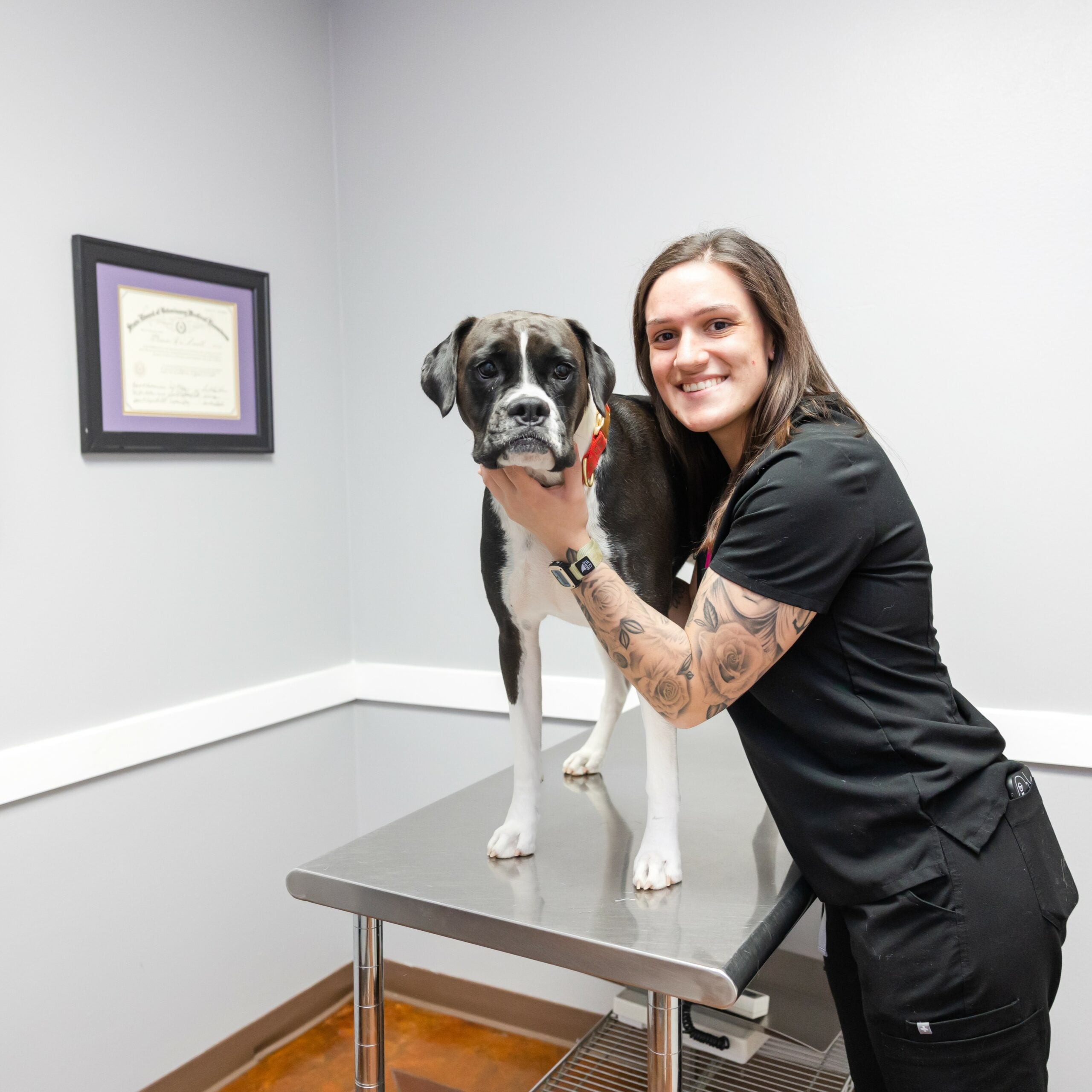
Returning to a normal diet is a major milestone, but there can be hiccups. A modest decrease in appetite immediately after anesthesia is common. In the first 24 to 48 hours, offer small, easily digestible meals. If your pet refuses food for more than 24 hours, or if you observe persistent vomiting or diarrhea, contact the clinic. Hydration is equally important. Ensure a steady supply of fresh water, and monitor overall fluid intake. Some pets will drink less in the first day or two and then resume normal patterns. Others might crave a bit more water if they feel nauseous. A practical approach is to provide meals in smaller portions multiple times a day, rather than a single large meal.
For cats, appetite can be especially sensitive to stress or changes in routine. A familiar feeding area, reassuring presence, and familiar bowls can help. For dogs, treat-based training sessions that don’t involve physical exertion can be a gentle way to re-engage after the recovery window. If you notice persistent refusal to eat for more than 48 hours, or if you see signs of dehydration such as dry gums or sunken eyes, contact Prairieville Animal Hospital promptly. We can assess whether a brief hospitalization or additional diagnostic steps are necessary.
Wound care and incision protection
Protecting the surgical site is the cornerstone of successful recovery. Bandages, adhesives, and sutures are designed to hold, but they rely on you to maintain the environment around them. It is not unusual for a pet to lick or chew at a healing incision, which can delay healing or introduce infection. A common strategy is to use an Elizabethan collar or an alternative device that prevents access to the incision. In some cases, a soft post-surgical garment or a wrap is more comfortable for the patient while still offering protection.
Look for early red flags that could indicate irritation or infection. Increased redness beyond the immediate incision margin, swelling, or warmth around the site can be normal to a point, but if swelling grows over the first few days or the redness spreads, a professional check is warranted. Discharge with a foul smell or a change in the incision color to a dark or purplish hue should prompt urgent contact with the clinic. Scenarios where the incision appears to be pulling apart or there is a noticeable gap between tissues require immediate veterinary input. Remember, even a perfectly clean incision can become compromised if the environment is not kept calm and protected.
Understanding the healing timeline for incisions helps set expectations. Small skin biopsies or superficial removals typically close cleanly in about 10 to 14 days. More complex incisions, especially those that involve muscles or internal structures, heal gradually over several weeks. Sutures may dissolve on their own in some cases, while others require removal. If you are uncertain about the type of closure your pet has, take a photo when you notice any changes and share it with your veterinary team during the next contact. Photos can offer a quick, objective read on whether the incision looks normal to you or if it warrants a closer look.
Two practical checklists you can apply at home
-
Postoperative care essentials for the first week:
-
Keep the pet in a quiet, confined space with easy access to water and a small, soft bed.
-
Adhere to the prescribed medication schedule; use a timer if needed to ensure doses are not missed.
-
Inspect the incision daily for a clean line, minimal swelling, and no unusual discharge.
-
Prevent licking or chewing with an appropriate barrier device.
-
Schedule and attend follow-up visits as advised by the surgeon.
-
Signs that warrant a call to Prairieville Animal Hospital:
-
Any uncontrolled bleeding or a wound that appears to be opening.
-
Persistent vomiting, diarrhea, or a refusal to drink water for more than 24 hours.
-
Repeated episodes of lethargy or unresponsiveness beyond the expected anesthesia recovery window.
-
Fever, or a sudden drop in energy accompanied by facial swelling or trouble breathing.
-
Pain that cannot be controlled by the prescribed analgesics.
When to seek urgent care
There are moments when a quick, professional assessment changes the outcome for a recovering pet. If you observe sudden collapse, inability to stand, seizures, or a dramatic drop in responsiveness, treat it as an emergency. While these events are rare, they do occur, and immediate veterinary attention can be life-saving. For less acute concerns, a phone call to Prairieville Animal Hospital can often determine whether a same-day visit is needed or if monitoring at home is sufficient. The diagnostic decisions we make in the aftermath of surgery rely on the combination of clinical signs, physical exam findings, and, when necessary, follow-up imaging or lab work.
Longer-term considerations for recovery
Recovery is not the final step in the surgical journey; it is the transition into a new baseline. Some pets, particularly older animals or those with concurrent health issues, may take longer to regain energy and mobility. This reality requires a flexible approach to activity, nutrition, and comfort. If you have a pet who enjoys routine, you may find that reintroducing familiar activities gradually helps them re-establish a sense of normalcy. For instance, a dog that once enjoyed daily park walks might benefit from shorter, slower strolls initially, gradually extending as healing progresses. Cats often reclaim indoor exploration gradually, choosing safe exploratory routes while avoiding jumping to high places.
Special considerations for common procedures
Spay and neuter This is one of the most frequent surgeries we perform, and the recovery profile tends to be straightforward when you follow the care plan. Expect a few days of mild sedation effects and a little sleepiness. The incision is small and typically heals quickly. The primary precaution is to avoid strenuous activity for about 10 to 14 days, which helps prevent reopening the surgical site. For a dog, this means no running or jumping on furniture, and for a cat, limited access to high perches is advisable early on. Several clinics report that most pets resume their normal temperament within a week, though a gentle approach remains important for two weeks.
Pet surgery beyond spay and neuter More complex procedures, including orthopedic work, dental extractions, or abdominal surgeries, carry a higher demand for careful post-op monitoring. In these cases, the recovery window often extends beyond the basic two weeks. The specifics depend on the tissue involved and the surgical method used. The approach remains consistent: protect the incision, manage pain, monitor appetite and hydration, and gradually reintroduce activity. We have found that owners who maintain a structured diary of daily behavior and appetite notice patterns earlier, allowing for timely adjustments to the recovery plan.
Pet dental care as part of recovery Dental work can influence how a pet feels in the days after surgery. Pain from dental procedures can be less dramatic than that from abdominal surgery, but it still affects appetite and behavior. Encourage softer foods for a few days and ensure the mouth remains clean to prevent irritation. Mouth discomfort can cause a reluctance to eat, so consider offering warm, soft meals or blending foods into a palatable consistency if your pet is not keen on chewing. The aim is to avoid a cycle of pain leading to poor intake, which can slow healing.
A practical perspective from a veterinary team member
I have seen countless households navigate recovery with a mix of diligence and adaptability. One family brought their young hound home after a spay procedure. The dog was curious and restless, yet we advised a crate for quiet, constant access to water, and short, supervised bathroom breaks. Within three days, the dog settled, the incision remained clean and dry, and the family gradually reintroduced play. In another scenario, an elderly cat recovered from a dental extraction and a minor skin lesion. The cat preferred a small, sunlit corner of the living room, a perch with a blanket, and frequent but brief lap time with gentle petting. Observing these patterns showed me that recovery is less about a rigid schedule and more about listening to what the animal is telling you through its behavior.
Quality and accountability in recovery care
Recovery is a test of listening and executing. Our team at Prairieville Animal Hospital uses a careful combination of standard protocols and individualized adjustments. We recognize that a one-size-fits-all plan rarely works, especially in households with multiple pets, variable work schedules, and different flooring surfaces that influence motion and slipping. It is our responsibility to translate medical plans into practical routines that suit your life. That means not just prescribing a medication but clarifying the when and how, explaining why certain limitations exist, and following up with you to reassess together.
In-person follow-ups remain a cornerstone of ensuring a successful outcome. We schedule checks to evaluate incision healing, review pain management, and adjust dietary or activity guidelines based on progress. For many guardians, those follow-ups reassure them that things are progressing as expected and provide a direct line to professional guidance if anything feels off.
A final note on realistic expectations
Healing is a journey, not a single milestone. Even when the hospital says the patient is healing well, the home environment will determine whether that recovery translates into a return to normal life. It is normal for a pet to take longer to bounce back after certain surgeries. If you have any doubt about your pet’s recovery at any stage, a quick call can prevent a small issue from becoming a larger one. Prairieville Animal Hospital staff is available to discuss concerns, interpret symptoms, and tailor recommendations to your pet’s state of health and the specifics of the procedure.
In closing, post-operative care is as vital as the surgery itself. The surgical team guides you through what to expect, but the real work happens at home. The small daily rituals—checking the incision, protecting the site, managing medications, and moderating activity—build the foundation for a smooth recovery. With thoughtful attention, most pets return to their usual pace with minimal disruption to the household.
If you are preparing for surgery or managing a pet that has recently undergone a procedure at Prairieville Animal Hospital, you are not alone. The staff there has seen a wide range of personalities, from the high-energy retriever eager to explore to the quiet senior who seeks warmth and routine. No matter the temperament, the shared objective remains the same: comfort, protection, and steady progress toward full recovery. The practical approach outlined above is designed to help you achieve this without confusion, so you can focus on what matters most—the well-being of your beloved companion.
Ends · SHANEYXLP221