Spay and Neuter in Prairieville: What to Expect at Prairieville Animal Hospital
When you walk into Prairieville Animal Hospital, you’re stepping into a clinic that treats routine care and urgent needs with the same practical calm. Spay and neuter procedures anchor our approach to preventive medicine and community health. The goal is straightforward: minimize risk, reduce unwanted litters, and help pets live longer, healthier lives. If you’re new to the area or new to pet ownership, you’ll hear terms and see steps that feel routine. Behind the routine is a web of decisions shaped by anatomy, age, behavior, and the realities of anesthesia. This article draws on years of clinical experience to explain what to expect, from the first visit through recovery.
The first thing to understand is that spaying and neutering are surgeries, not casual wellness checks. They require planning, a preoperative assessment, anesthesia, careful monitoring, and postoperative care. But they are also among the most routine, low-risk procedures we perform. For most healthy dogs and cats, the procedure is completed within a single morning or afternoon, and most pets go home the same day. The measure of success isn’t how dramatic the event feels in the moment, but how quickly an animal returns to normal activity with minimal discomfort and excellent outcomes.
Choosing a veterinary clinic prairievilleanimalhospital.com is more than finding a place to schedule surgery. It’s about partnering with clinicians who understand the local context—the climate, the typical animal profile, and the realities of busy households in Prairieville. At Prairieville Animal Hospital we emphasize clear communication, meticulous technique, and a postoperative plan that fits your schedule and your pet’s temperament. We also recognize that spay and neuter is not a one-size-fits-all event. Age, concurrent medical conditions, and the pet’s behavior all influence how we plan and execute the procedure. The following sections outline the journey from the initial inquiry to long-term welfare.
First contact and consultation

Your first interaction with the clinic often happens by phone or online scheduling. A receptionist or nurse will gather basic information: species, age, weight, medical history, current medications, and any signs of illness. If you’re bringing a cat, you may be asked if the cat has previously been litter trained, any history of urinary issues, and whether the cat is indoors or outdoors. For dogs, you’ll share breed tendencies, activity level, and any prior surgeries. It’s not a test; it’s a preemptive map so the surgical team can anticipate needs and minimize surprises.
During the preoperative evaluation, a clinician will confirm a few details. The bodyweight is critical because anesthesia dosages scale with mass. A quick physical exam helps identify issues that might complicate anesthesia or healing, such as skin infections, dental disease, or signs of respiratory or cardiovascular strain. If anything raises concern, we may suggest delaying the procedure or performing additional diagnostics. In practical terms, this means you might get a plan that includes a brief blood work panel or a pre-anesthetic assessment that focuses on overall health rather than chasing every potential anomaly.

A crucial part of this stage is setting expectations for the day of surgery. We explain the typical timeline, the fasting requirements, and the check-in process. For many families, the idea of leaving a beloved pet in a hospital can be stressful. We aim to minimize that stress with honest timelines, a clear headcount, and open communication channels so you can reach the team with questions before and after the procedure.
The day of surgery: what happens in the operating suite
On the morning of the procedure, you’ll bring your pet to the clinic with a calm, routine drop-off routine. A nurse will verify your pet’s identity, confirm the procedure, and check anesthesia consent forms. Pets are weighed again to ensure accuracy of drug dosing. A veterinary technician typically administers a pre-anesthetic medication to help reduce stress and encourage smoother anesthesia induction. The choice of anesthetic protocol depends on age, species, and any underlying conditions. For many patients, a balanced approach combines sedative medications with injectable or inhaled anesthetics that allow for quick recovery.
In the operating room, the surgeon performs the spay or neuter with careful attention to tissue handling. In female dogs and cats, spaying involves removing the ovaries and usually the uterus, a procedure known as an ovariohysterectomy or ovariectomy depending on the approach. In males, neutering involves removing the testicles. The aim is complete removal of the reproductive organs followed by proper closure of incisions to promote healing while minimizing pain. The surgical team monitors heart rate, respiration, blood pressure, and temperature throughout the operation. Pain control begins during surgery and continues into the recovery period.
Anesthesia, by its nature, carries some risk, but modern veterinary anesthesia is remarkably safe when administered with proper screening and monitoring. The team at Prairieville Animal Hospital relies on evidence-based protocols and equipment that tracks vital signs in real time. If anything unusual arises, we can adjust the plan quickly. The result is a controlled, efficient procedure with a focus on minimizing stress and discomfort for the patient.
Postoperative recovery and home care
After surgery, most patients recover in a quiet room with a dedicated nurse monitoring them as they wake from anesthesia. It is common to see pets dozing, briefly pacing, or needing gentle reassurance as the brain comes out from sedation. When your pet is ready to go home, you’ll receive a concise set of discharge instructions. These cover pain management, activity restrictions, incision care, and what signs would warrant a return to the clinic.
One of the most important elements of recovery is controlling pain. Pain is not a vague concept in our clinic; it’s a measurable and treatable condition. We tailor analgesic plans to the individual animal, taking into account age, breed, and prior response to pain medications. Some patients benefit from a short course of oral analgesics, others from topical or injectable formulations. The right plan balances comfort with safety, avoiding excessive sedation or masking symptoms of a complication.
Here are common postoperative considerations that shape the day-to-day routine after spay or neuter:
- Incision care: Incisions are typically small, clean, and designed to heal without complication. We advise keeping the incision clean and dry, restricting many activities for about 10 to 14 days, and monitoring for redness, swelling, discharge, or an unusual odor.
- Activity limits: A short period of rest is best. For dogs, this usually means keeping them on a leash and avoiding running, jumping, or rough play. For cats, indoor confinement is recommended to reduce the chance of licking or scratching the incision.
- Licking prevention: An Elizabethan collar or an alternative barrier is often recommended to prevent pets from licking or chewing the surgical site. Without this protection, licking can introduce bacteria or disrupt sutures, potentially delaying healing.
- Feeding: Appetite often returns quickly after anesthesia. We typically allow small, bland meals shortly after waking and offer water freely. If your pet has not shown interest in water by the evening, a call to the clinic is warranted.
- Wound checks: You’ll be shown how to inspect the incision at home. Look for any opening, redness beyond the immediate incision line, drainage, or a fever. If you notice anything concerning, contact the clinic promptly.
The first week after surgery is a time of rapid adjustment. You’ll become familiar with your pet’s post-surgical baseline and learn to interpret subtle changes in behavior. Some pets appear perfectly normal within 24 hours, while others may need a touch more time. Dogs and cats recover more quickly than people expect, and the majority of patients return to activity levels comparable to preoperative baselines within the two-week mark.
Age, health status, and the timing of the procedure all play a role in outcome. It is not unusual to encounter a slightly slower recovery in older animals or those with concurrent medical concerns. In those cases, we may extend activity restrictions or adjust pain management to ensure a comfortable and safe healing process. The team will schedule a follow-up visit to examine the incision and confirm healing progress. This is a routine check rather than a remedial intervention, but it offers a moment to address any questions you may have about long-term welfare.
What to expect for specific patient groups
Spay and neuter procedures vary a bit between dogs and cats, and between younger animals and those who are a bit more mature. The clinic’s approach reflects a blend of standardized protocols and individualized adjustments based on the animal’s size, temperament, and overall health.
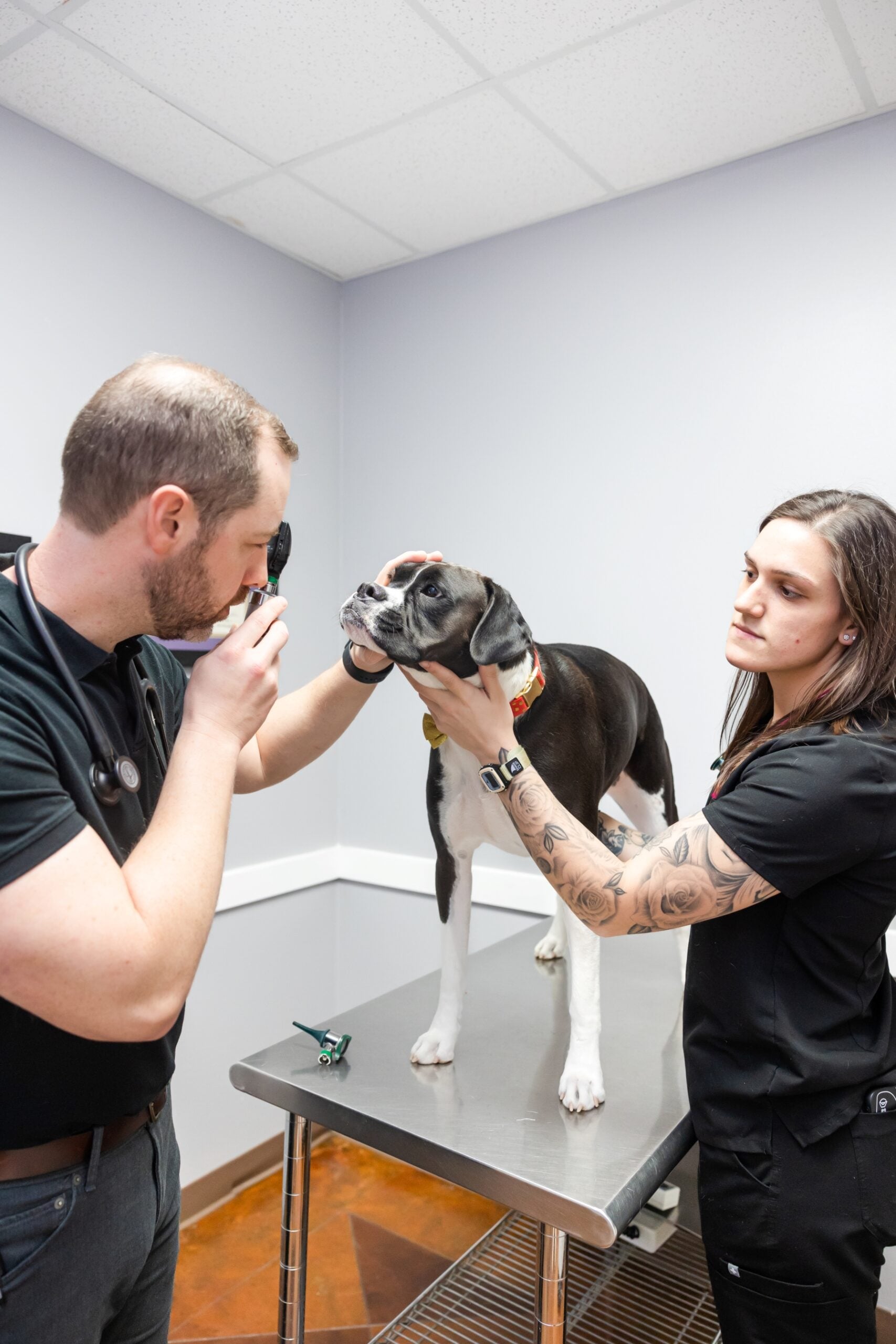
In dogs, the procedure is sometimes more involved due to uterine removal and the potential for abdominal closure to require more precise surgical technique. The use of abdominal incisions is designed to minimize postoperative pain and ensure reliability in healing. For larger breeds, emergency vet prairieville there is attention to longer anesthesia times and the possibility of extended monitoring. Plan for a longer recovery period in your household if you have a highly active dog or if the pup has not been fully crate-conditioned before the surgery.
In cats, spay and neuter procedures often proceed smoothly with a rapid recovery timeline. Cats handle the anesthetic medications well, and incisions are typically small. For the cat-owning household, you might consider a quiet room with a cat tree and a comfortable bed where the animal can observe birds or other stimuli from a safe distance while healing. The key is to reduce stress and provide predictable routines.
One of the benefits we see when evaluating spay and neuter within the community is the impact on behavior and temperament. In many cases, neutered dogs display a reduction in roaming and inter-dog competition, while spayed females may experience changes in heat cycles that were previously seasonal. It’s important to acknowledge that not every animal shows dramatic behavioral shifts, but a predictable decrease in certain stressors can contribute to a calmer household and less risk of injuries related to mating attempts or street exposures.
Ethical and practical considerations
The decision to spay or neuter a pet is not purely medical; it sits at the intersection of animal welfare, community needs, and the realities of pet ownership. Prairieville Animal Hospital works with families to align medical best practices with individual circumstances. In some cases, early-age spay or neuter is recommended, particularly when animals join homes with multiple animals or where breeding is not part of the plan. In other cases, a slightly delayed approach may be beneficial for very small breeds or animals with certain health conditions. Our team discusses these considerations in detail during the preoperative planning, ensuring families understand both the benefits and the potential trade-offs.
The clinic also addresses common misperceptions. Some people worry that spay or neuter surgery can cause lasting health problems or drastic personality changes. The truth is more nuanced. While removing reproductive organs can influence hormonal balance and some behaviors, the overarching goal is safe, humane control of reproduction and a net positive effect on health and longevity. We see fewer reproductive tumors, a reduced risk of uterine infections, and a lower incidence of certain types of cancers in spayed or neutered pets. The behavioral benefits are often a welcome add-on, though not universal, and they are highly dependent on the individual animal and environment.
The practical realities of cost, scheduling, and care routines are another part of the discussion. For many families, the cost is a consideration, but it should be weighed against the expenses and responsibilities of sustaining unplanned litters, possible emergency cesarean sections, and the ongoing care of puppies and kittens. Prairieville Animal Hospital strives to present a transparent pricing framework, with a clear explanation of what the fees cover—anesthesia, the surgeon’s time, analgesia, and postoperative instructions. We also offer guidance about financing options where available, because access to essential veterinary care should not be blocked by budget constraints.
The informational ecosystem around spay and neuter is not limited to the clinic. Pet owners benefit from reliable, veterinary-guided resources that outline what to do before and after surgery, how to recognize signs of fever or infection, and when to seek urgent care. The community around prairievilleanimalhospital.com provides a pathway for families to access educational materials, appointment scheduling, and postoperative support. The clinic’s broader mission is to reduce preventable suffering and to help each animal lead a longer, healthier life in tandem with responsible guardians.
Preparation tips for a smooth experience
The days leading up to surgery carry a quiet tension, but preparation can make a tangible difference in how smoothly a pet handles the experience. Here are practical steps that have proven effective in real-world practice:
- Confirm fasting instructions and timing. Most clinics require a short fasting window before anesthesia to reduce the risk of aspiration. Adhering to these instructions helps keep anesthesia safe and smooth.
- Bring a familiar item. A favorite blanket or toy can provide comfort in a new environment and help reduce stress during check-in and recovery.
- Update contact information. Ensure the clinic has the latest phone numbers and an alternate contact. This helps when you need quick updates or changes to the plan.
- Prepare home space. A quiet, accessible area with a comfortable bed, water, and a shallow dish of food for the evening of arrival home supports a calmer recovery.
- Review post-op instructions together. If someone in your household will be assisting, make sure everyone understands how to apply pain medications, monitor the incision, and enforce activity restrictions.
Two lists to help you navigate the process
- Common questions families ask before surgery
- How long will the procedure take?
- What kind of pain relief will my pet receive?
- When can my pet return to normal activity?
- Are there risks I should watch for at home?
- Is there a breed or age consideration that changes the plan?
- Key signs that warrant a call to the clinic after discharge
- Persistent vomiting or refusal to eat after 24 hours
- Redness, swelling, or discharge at the incision site
- Lethargy that does not improve with rest
- Difficulty breathing or pale gums
- If you have any uncertainty about the healing process
Postoperative support that extends beyond the clinic walls
A clinic physician may not be physically present in your home, but the relationship continues through clear, accessible guidance. The availability of a nurse line or a veterinary contact point helps guardians feel secure. In practice, we encourage owners to log questions as they arise, because a small doubt today is easier to tackle before it becomes a complication tomorrow. The postoperative window is a learning period for guardians as much as it is for pets. You discover how your individual animal processes pain and how quickly its energy comes back after a routine procedure.
Long-term considerations and the value of preventive care
Spay and neuter is a single intervention with long-term ripple effects. On a population level, widespread sterilization reduces the burden of unplanned litters and helps stabilize local animal populations. For individual pets, sterilization often correlates with longer life expectancy and a decrease in certain health risks, including some reproductive cancers and infections. But it is not a universal guarantee of improved behavior or health. Each pet carries a unique set of traits and risks, and a proactive, ongoing wellness plan remains essential.
The most reliable path to sustained welfare after surgery rests on continuing routine preventive care. Vaccinations, dental care, annual well-pet checks, and targeted blood work when appropriate all play a role in tracking the animal’s health trajectory. Our approach at Prairieville Animal Hospital emphasizes integrated care: vaccination schedules optimized for age and exposure risks, comprehensive pet dental care that reduces systemic infection risk, and wellness exams that identify subtle changes long before they become obvious problems. The experience that comes with years of practice informs these recommendations, ensuring you receive not just a procedure, but a thoughtfully designed care arc.
Practical insights drawn from years in the clinic
Spay and neuter is one of those topics where small decisions accumulate into big outcomes. A nurse’s careful handling during the wake-up phase can influence a pet’s first impressions of the hospital. A surgeon’s precise technique may shave days off the recovery period. The clinic’s ability to schedule efficiently means most families can arrange care around work and school commitments rather than juggling an unpredictable day. These are not abstract benefits; they translate into real, tangible improvements in daily life for guardians and their animals.
We have learned to anticipate the common friction points in prairieville. The local climate affects how quickly a pet can be comfortable after discharge. Humidity, temperature, and household traffic all factor into recovery. Guardians may underestimate how much patience a recovering pet requires. A confident, steady approach helps dogs and cats settle in and resume normal behaviors—eating, drinking, walking, and playing—without rushing the healing process. It’s not just the science of anesthesia that matters, but the artistry of guiding a household through a medical event with empathy, accuracy, and practical wisdom.
As with any veterinary procedure, there are edge cases worth acknowledging. Some animals arrive with mild but preexisting medical concerns that require a tailored approach. A pet with a mild heart murmur, for instance, might need extra monitoring during anesthesia. An elderly cat may benefit from a slightly longer recovery window. Our team emphasizes candid discussions about these constraints and ensures guardians understand why certain choices are made. This is where transparent communication earns trust and reduces the anxiety that often accompanies surgical plans.
Integrating spay and neuter into community health
The community health dimension of spay and neuter cannot be overstated. When households opt for sterilization, the local animal environment shifts in meaningful ways. Fewer litters means fewer stray animals and less demand on shelter systems. Prairieville Animal Hospital contributes to this effect by providing reliable, high-quality veterinary care and by engaging with guardians as partners in long-term welfare. The clinic’s outreach sometimes includes educational sessions for families, schools, and community groups. These conversations focus on preventive care, responsible pet ownership, and the practical steps guardians can take to keep their pets healthy well after surgery.
If you are considering spay or neuter for a particular pet, you will find value in the clinic’s accessible resources. The official site, prairievilleanimalhospital.com, serves as a hub for scheduling, post-operative guidance, and reminders about vaccines and annual wellness checks. The clinic’s philosophy is to make sure every step—from informed consent to post-discharge support—stays within reach for busy families. You are not just bringing a pet to a surgery; you are entering a collaborative effort aimed at improving your animal companion’s quality of life for years to come.
Closing perspective: what this means for Prairieville families
When you weigh the decision to spay or neuter, you’re weighing a set of practical outcomes as much as a medical risk assessment. The procedure offers tangible health advantages and often contributes to a calmer household environment. But the success stories you hear are rarely about a single moment in the operating room. They unfold in the quiet hours of recovery, in the days when a simple stroll through the park becomes easier for a dog and a cat resumes its familiar, comforting routines. The people behind the care—the doctors, nurses, and support staff—bring a steady blend of technical proficiency and genuine care. They know what to watch for, how to intervene, and when to listen to guardians who notice the earliest shifts in a pet’s condition.
For families in Prairieville, the path to sterilization is also a path to greater predictability in pet health and daily life. The process is designed to be as efficient and humane as possible, with a strong emphasis on pain control and clear, practical aftercare instructions. The aim is not to upend a household but to harmonize it with healthier, safer pet ownership. When you consider all the steps—from the initial consultation through the final postoperative check—you can see a consistent thread: a commitment to doing the right thing for each patient, informed by real-world experience and guided by a steady, humane approach.
In the end, spay and neuter at Prairieville Animal Hospital is about more than the procedure itself. It is a doorway to long-term welfare and community health that respects the complexities of pets and their guardians. It is a collaborative effort, shaped by the specifics of Prairieville life, carried out with precision and compassion, and supported by a clinic that speaks in plain terms about risks, benefits, and practical care. If you’re weighing your options, the path forward is clear enough: a trusted team, a transparent plan, and a patient who leaves the recovery room ready for a gentler, healthier life.
Ends · SHANEYXLP221